About Us
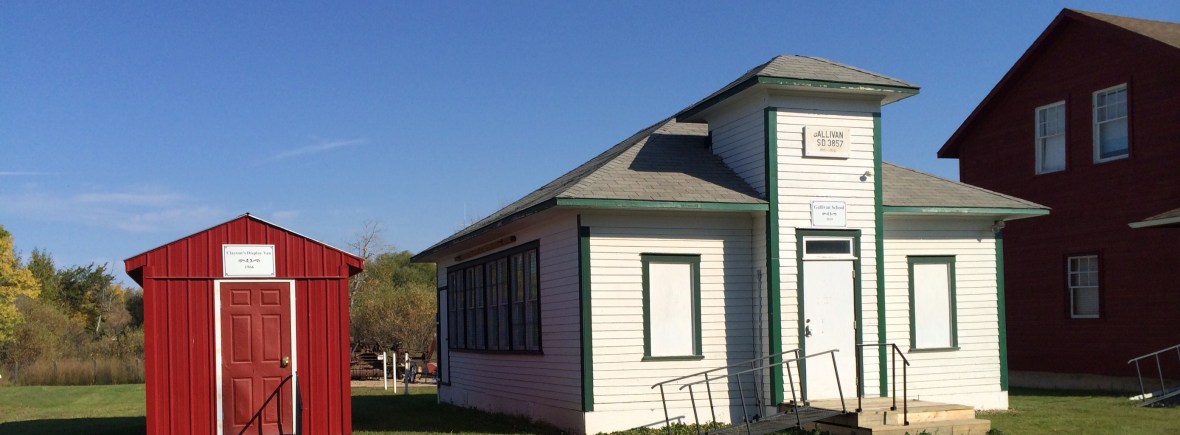
The Clayton McLain Memorial Museum Incorporated was founded in 1971 and celebrated its 50th Anniversary in 2021. The CMMM is a non-profit organization operating under the governance of the Board of Trustees. The museum has been an important partner in community activities and events through the years.
In The Community

The Clayton McLain Memorial Museum Incorporated celebrated its 50th Anniversary in 2021. The museum has been an important partner in community activities and events through the years.
Clayton McLain

Clayton McLain was a local farmer who had always been interested in prairie life and was especially fascinated with First Nations’ culture and the events of 1885.
Ovenstown
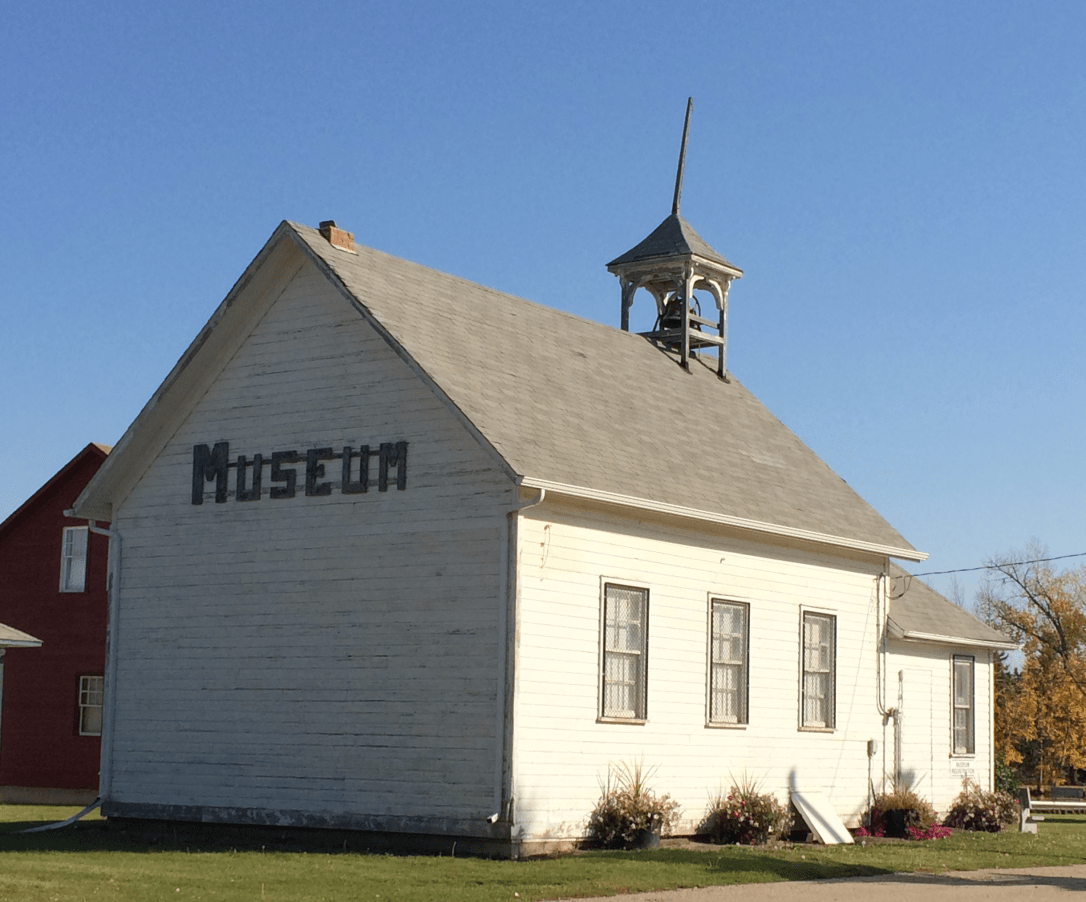
In the afterglow of Canada’s Centennial celebrations, Saskatchewan communities began their preparations for Homecoming ’71. In the Cut Knife area, fundraising was focused on the Clayton McLain Memorial Museum and the World’s Largest Tomahawk.
Preservation

Elizabeth Mclain, Clayton’s wife, and Lucille Bullerwell, both volunteer curators, have been instrumental in introducing industry standards to the museum and archives.
 Clayton McLain Memorial Museum